Others say

Kelidar
آبان ۱, ۱۳۹۷
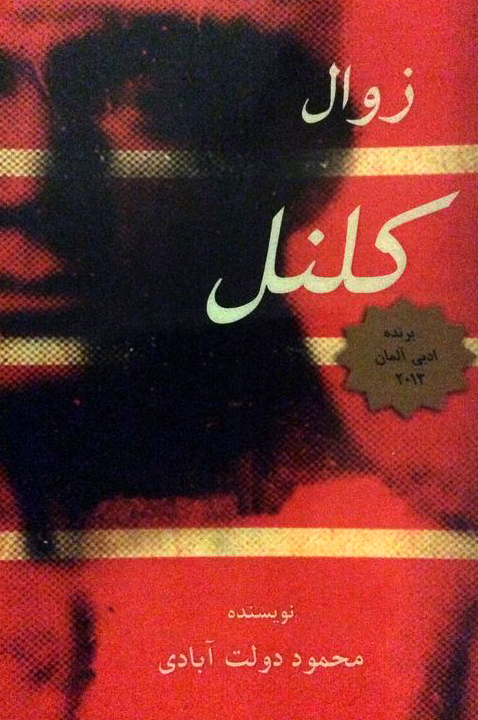
The Persian version of the novel “The collapse of the colonel” is fake.
آبان ۱, ۱۳۹۷
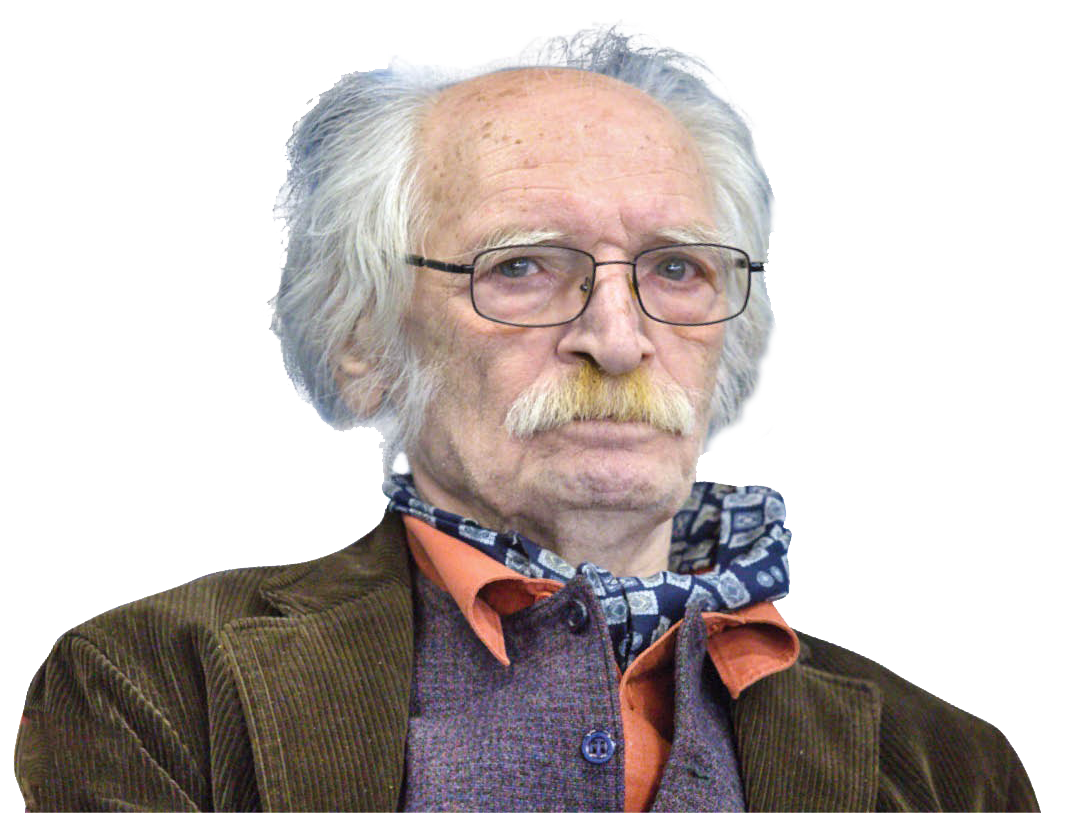
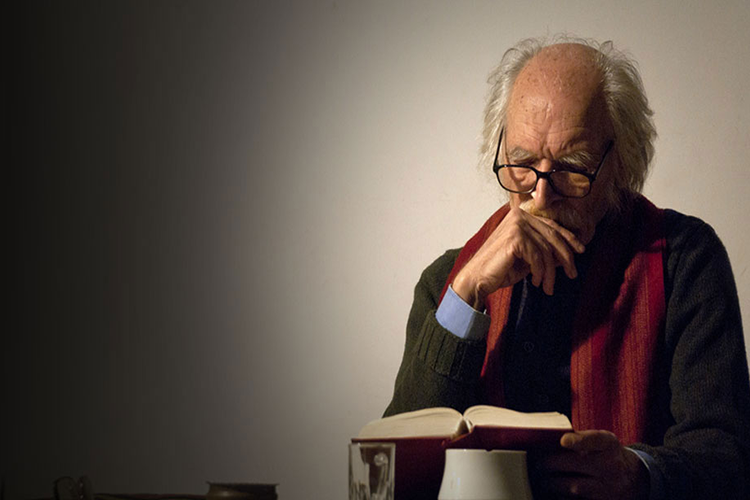
Dariush Shayegan: Dolatabadi is like any true artist, sensitive, distressed and wounded from inside pain, state of affairs is undoubtedly one of the greatest contemporary Iranian novelists. He did not drink fifty thousand cups of coffee, unlike Anwar B. Balzac, to create the greatest literary masterpiece of the nineteenth century, human comedy, for twenty years at the expense of his life. But the government, however, managed to create one of the most fascinating and largest rural epics in modern Iran, in fifteen years and passing through many ups and downs. The government is from Khorasan, the well-known hometown of wisdom and literature of Iran. He has crystallized both the greatness of this land and its wounds.
According to Kamran Taltab, Mahmoud Dolatabadi's works are a clear indication of the tendency of literature to reduce the gap between the various perceptions of the concept of revolution. His short stories and novels portray the circumstances of the oppressed classes, especially peasants and rural workers. The characters who create him, regardless of their religious orientation, are victims of social conditions. The class characteristics of all of his characters are in accordance with Marxist models of class society and historical materialism. He portrays elites and bourgeoisie, peasantry, proletariat, and intellectuals in accordance with their classical and conventional definitions, but in this case it is doing quite realistic work so that it would be necessary to make certain personalities religious. According to the clamor, Keller, who depicts the life and class struggle in Khorasan, is an example of the commitment of the government to the literature. In the key of peasants, urban petty bourgeoisie and intellectuals, whether Muslims or non-Muslims, unite in their struggle against the lords and capitalists and the oppressive forces of their supporters. The government draws all these characters in line with their social class and their position on social policy issues.
According to Teltat, even more so, since the story was written in the 1950s, it becomes more political. Like other intellectuals, the government called for a change in the political system through action. If they were unable to freely discuss the nature of the steps necessary to make a change, they could, in their legends and works, address such issues in the face of the severe tyranny of society. When the government depicts Golmohammad as an armed insurgent, it is itself thinking of an armed struggle in real society. In a group of thirty-sixths of a series of battles that succeed in defeating the enemy for some time, many peasants and workers join Golmohammad's movement. Golmohammad's movement enjoys the support of urban revolutionary groups of workers and students led by Akbar Ahangar, which is what the left-wing revolutionary groups wanted in the late 40's and 50's.
Islam, as a political model or an ideological force, does not play a positive or negative role in Keychain. Although the government's political perception is in harmony with Marx's classical writings, which both economics, not religion, are powerful actors of social behavior, but they are not at odds with Islam. His beliefs were exactly in line with the analysis of the leftist revolutionary class in his age that saw religious people as potential forces to play a role in the revolution and hoped to join them in the popular movement to overthrow the ruling class; therefore, the government, in the spirit of the author of committed literature, opposed It's obvious to Islam or even to talk about it. In his works, the characters are religious, but their religious beliefs only appear in relation to God and their imams.